How to Apply for a UK Driving Licence – Complete Official Guide | registeredddocuments
If you are searching for information about a UK driving licence, it is essential to understand that all legitimate licences are issued only by official government authorities. Therefore, before taking any action, you should ensure you follow the correct legal process.
At registeredddocuments, we provide clear, step-by-step guidance to help individuals understand how to apply for a UK driving licence properly and legally. Importantly, we do not issue licences ourselves; instead, we offer informational support to simplify the process.
What Is a UK Driving Licence?
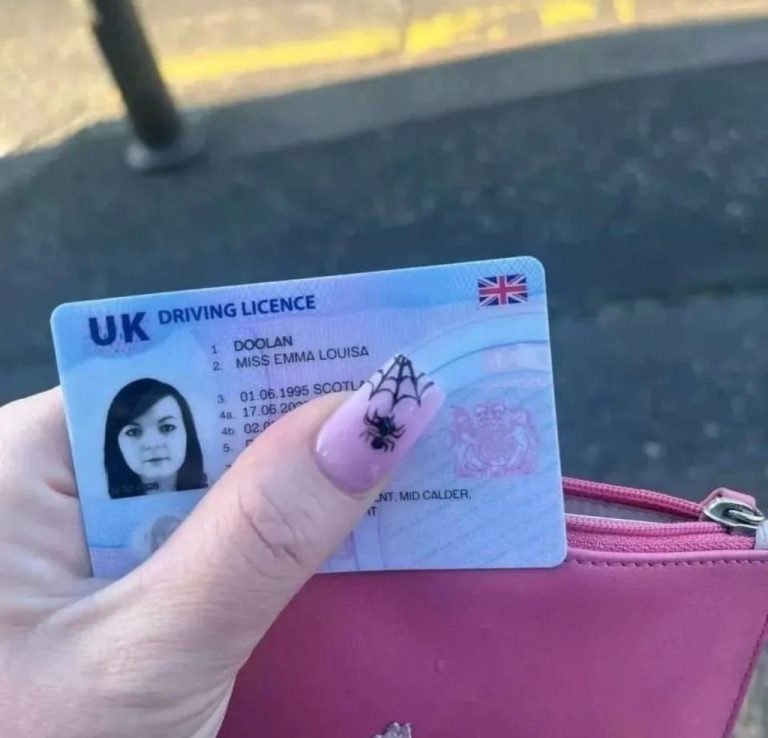
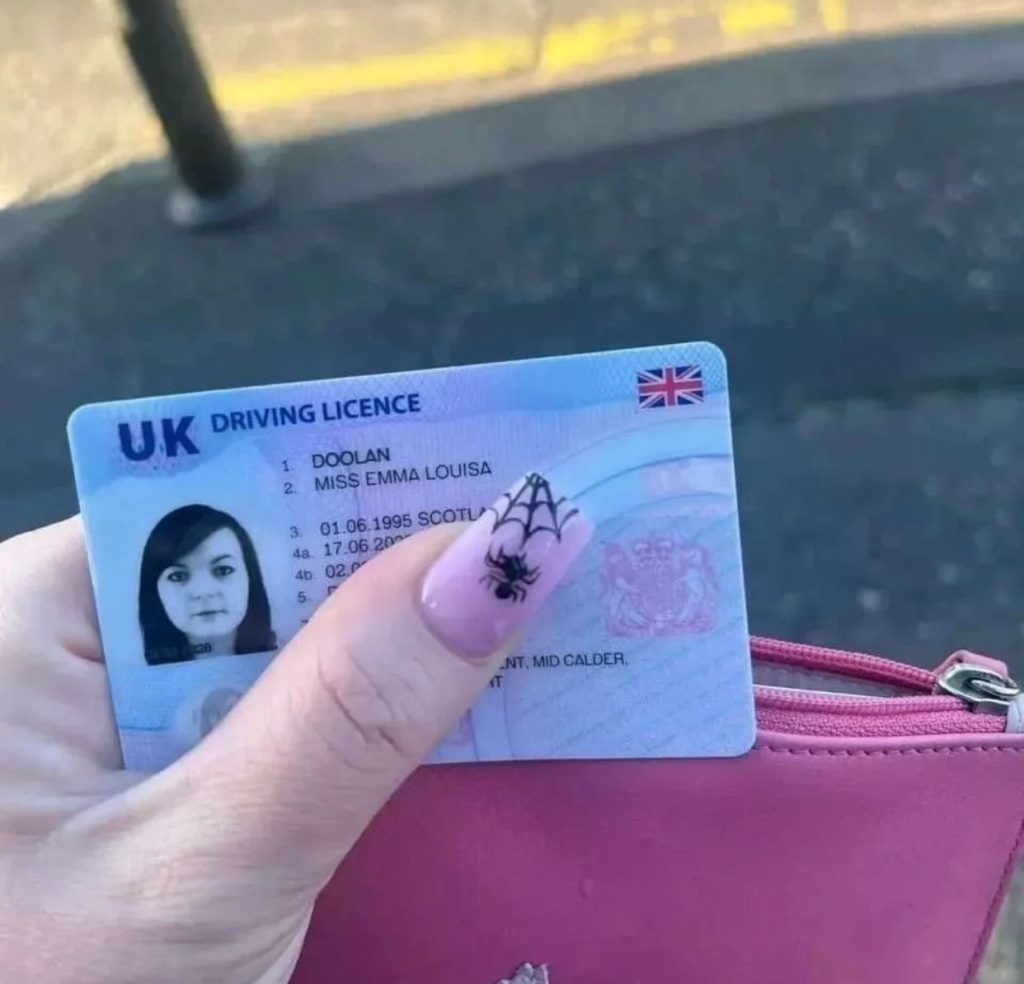
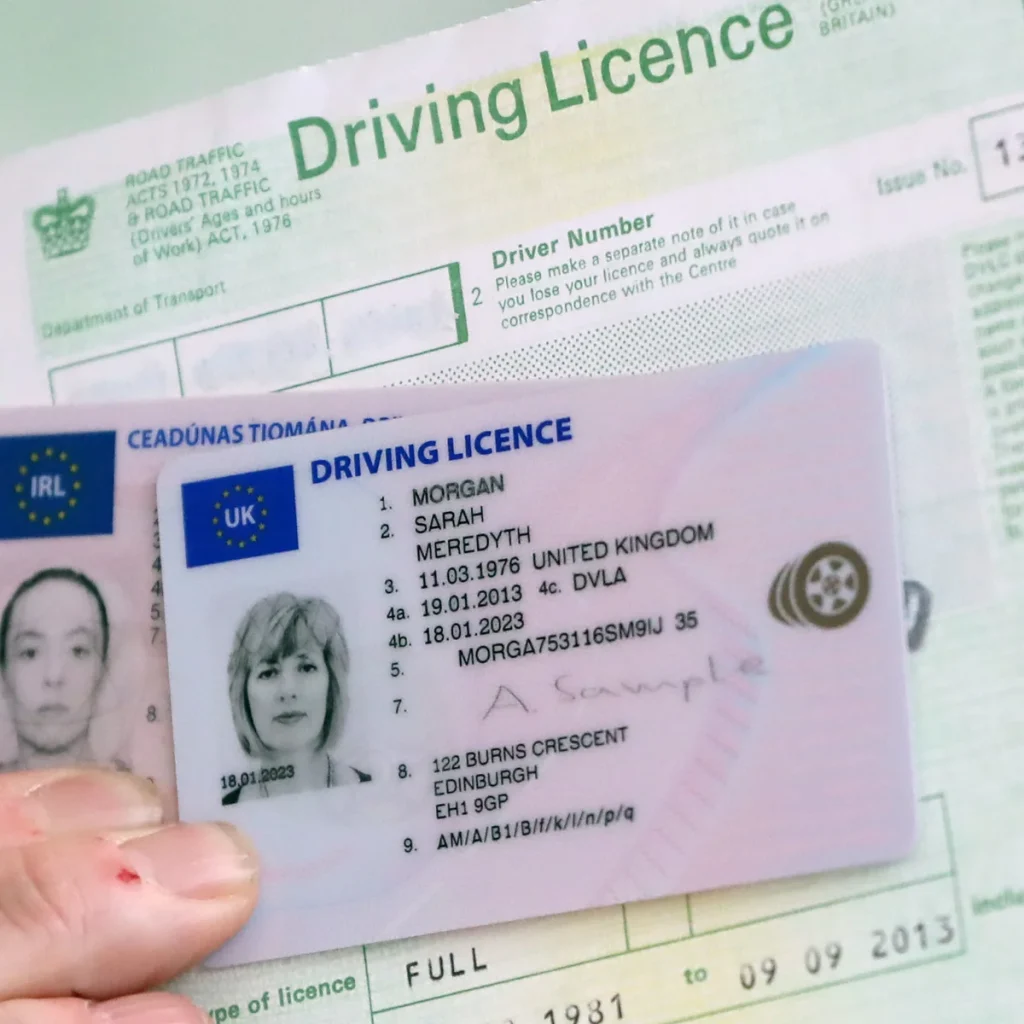
A UK driving licence is an official document that authorises an individual to operate specific categories of vehicles on public roads. In other words, it proves that a driver has met the legal requirements to drive safely.
Licences are issued by:
- Driver and Vehicle Licensing Agency (DVLA) – covering England, Scotland, and Wales
- Driver & Vehicle Agency (DVA) – covering Northern Ireland
Only these authorities can legally issue and register a genuine UK driving licence.
Types of UK Driving Licences
Before applying, it is important to understand the two main licence types.
1. Provisional Driving Licence
First of all, you must apply for a provisional licence. This allows you to:
- Begin learning to drive
- Display L plates
- Drive under supervision
- Book your theory and practical tests
Without a provisional licence, you cannot legally begin the driving process.
2. Full UK Driving Licence
Once you have passed both required tests, you will receive a full driving licence. As a result, you can:
- Drive independently
- Remove L plates
- Operate vehicles within your licence category
Thus, completing the testing process is essential for legal driving privileges.
UK Driving Licence Categories Explained
In addition to licence types, you must understand vehicle categories. Each category determines what you are legally allowed to drive.
Category AM
For example, this covers mopeds and light two-wheel vehicles and requires Compulsory Basic Training (CBT).
Category B
Most commonly, Category B allows you to drive standard cars up to 3,500kg with up to 8 passenger seats.
Category C
Furthermore, Category C applies to larger goods vehicles.
Category D
Finally, Category D permits driving passenger-carrying vehicles such as buses.
Each category has specific age and qualification requirements. Therefore, always confirm eligibility before applying.
Step-by-Step: How to Get a UK Driving Licence
To obtain a genuine UK driving licence, follow these official steps:
- First, apply for a provisional licence online.
- Next, study and pass the theory test.
- Then, take professional driving lessons.
- After that, pass the practical driving test.
- Finally, receive your full licence by post.
As you can see, each step builds upon the previous one. Consequently, skipping any stage is not legally possible.
Important Legal Information
It is important to note that only government authorities can issue a registered UK driving licence. Therefore, any claims suggesting shortcuts or unofficial registration should be treated with caution.
Using fraudulent documents can lead to:
- Criminal charges
- Significant fines
- Driving bans
- Long-term legal consequences
For this reason, always rely on official government procedures.
Why Choose registeredddocuments?
While we do not issue licences, we simplify the process by providing:
- Clear application guidance
- Detailed category explanations
- Renewal instructions
- Replacement procedures
- Helpful compliance information
Ultimately, our goal is to make complex government processes easier to understand.
Conclusion
In summary, obtaining a UK driving licence requires following official procedures set by the DVLA or DVA. Although the process may seem demanding at first, it ensures road safety and legal compliance.
Therefore, if you are planning to apply, make sure you follow the correct steps and use official channels.
About the Author